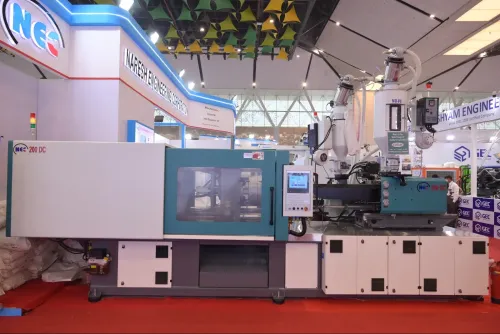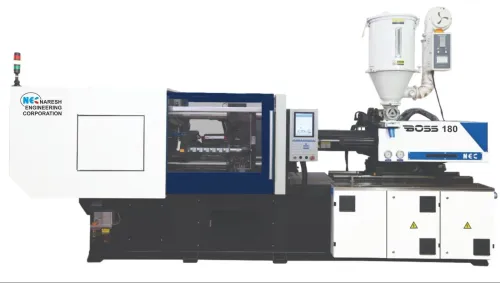

Electrical products require plastic components that offer excellent insulation, dimensional stability, and long-term durability. From switchgear and electrical enclosures to connectors and terminal blocks, manufacturers depend on precision equipment to maintain product quality. Selecting the right injection molding machine for electrical parts is an important step toward achieving efficient and reliable production.
With industrial growth accelerating in Delhi, manufacturers are investing in advanced machinery capable of producing complex electrical components with consistent accuracy.
Why Precision Is Essential
Electrical parts often include intricate designs, thin walls, and tight tolerances. Even minor manufacturing defects can affect assembly or product performance.
Advanced injection moulding machines help maintain:
- Accurate dimensions
- Uniform wall thickness
- Smooth surface finish
- Stable production quality
These characteristics are essential for producing dependable electrical products.
Key Factors to Evaluate
When choosing machinery, manufacturers should consider:
Injection Accuracy
Consistent material flow improves component quality and reduces rejection rates.
Clamping Performance
Proper clamping force prevents flash and dimensional inconsistencies.
Material Compatibility
Machines should efficiently process engineering plastics such as ABS, Nylon, Polycarbonate, and Flame-Retardant materials.
Automation Features
Digital control systems improve repeatability while simplifying production monitoring.
Energy Efficiency
Servo-controlled systems help reduce operating expenses over long production cycles.
Common Electrical Components Manufactured
Injection moulding supports production of:
- Electrical switch housings
- Junction boxes
- MCB components
- Cable connectors
- Electrical plugs
- Terminal covers
- Distribution box components
- Appliance housings
Each product requires specific mould designs and processing conditions.
Challenges During Production
Manufacturers may experience:
- Incomplete filling
- Flash defects
- Warpage
- Burn marks
- Surface imperfections
- Poor dimensional consistency
Proper machine configuration and process control significantly reduce these issues.
Benefits of Advanced Injection Moulding Technology
Modern machinery helps manufacturers achieve:
- Higher production efficiency
- Better dimensional accuracy
- Lower material wastage
- Faster cycle times
- Consistent product quality
- Reduced maintenance requirements
These advantages improve operational efficiency and customer satisfaction.
Finding the Right Equipment Partner
Machine performance depends on engineering quality and long-term technical support. Businesses should assess supplier experience before making purchasing decisions.
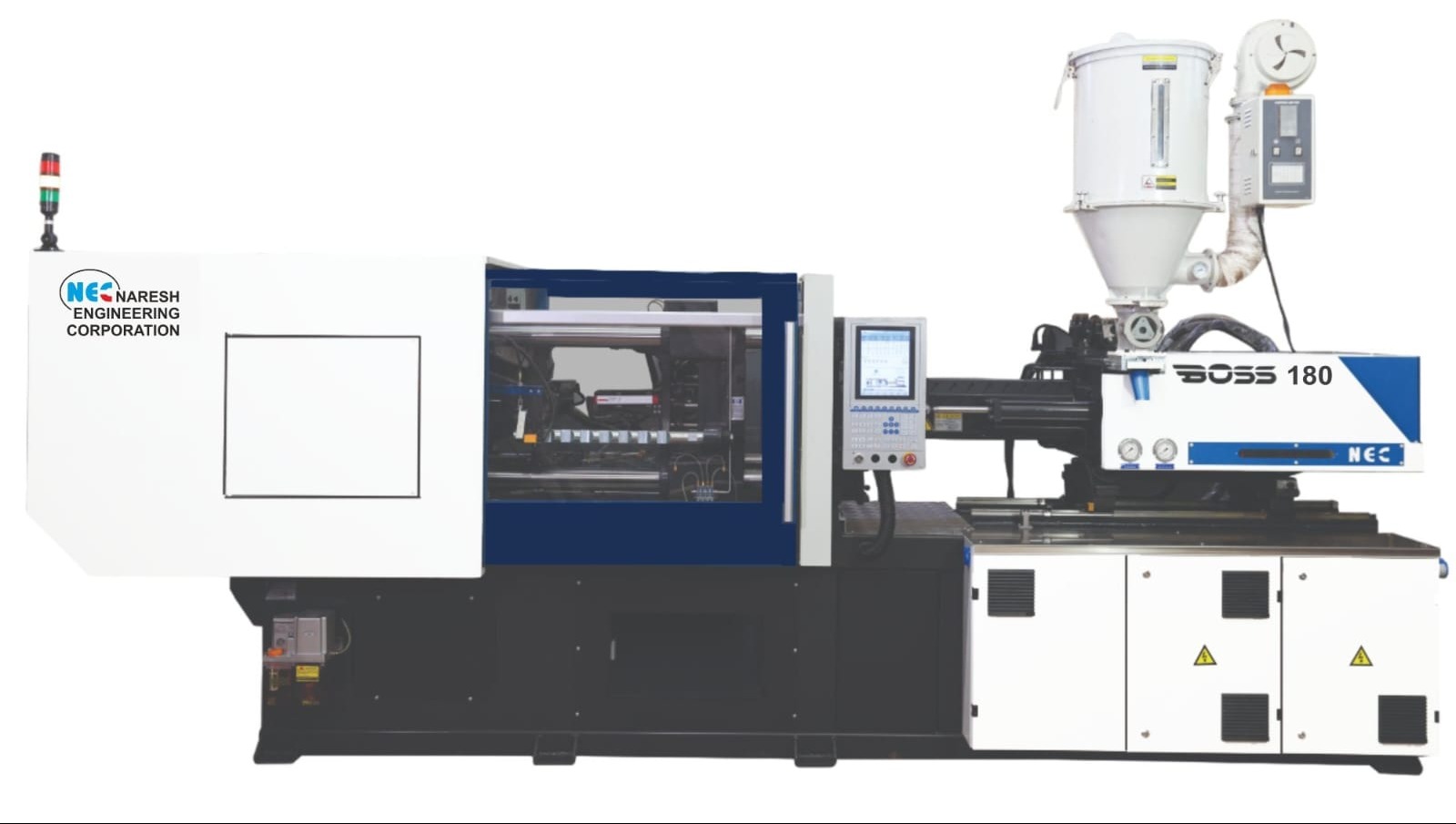
Manufacturers evaluating industrial injection moulding solutions often review the equipment offered by Naresh Engineering Corporation. Machine specifications and technical information are also available through injectionmouldingmachinery.co.in, enabling businesses to compare production capabilities and identify suitable equipment.
Choosing the right injection molding machine for electrical parts helps manufacturers produce reliable components while improving productivity and maintaining consistent quality standards.