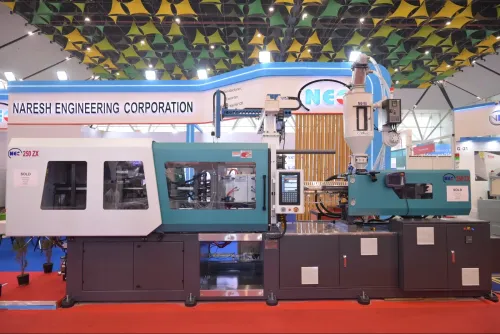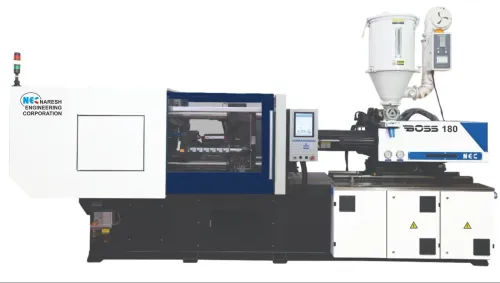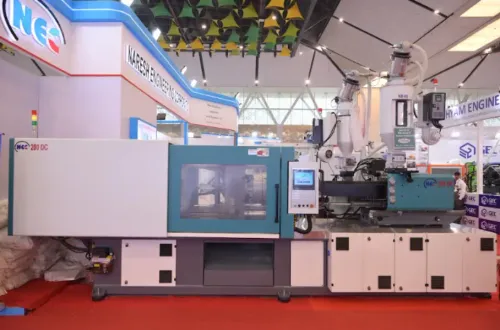

Plastic injection moulding has become one of the most reliable and cost-effective manufacturing processes for producing high-quality plastic components in large volumes. From automotive parts and household products to medical devices and packaging materials, businesses across India rely on advanced machinery to maintain production efficiency and consistent product quality. Selecting the right plastic injection molding machine is one of the most important decisions for any manufacturing unit, as it directly impacts productivity, operating costs, and the quality of finished products.
Manufacturers in Delhi and across India often evaluate machines based on production capacity, energy efficiency, mould compatibility, and long-term reliability. While different industries have unique production requirements, understanding the essential features of an injection moulding machine helps businesses make informed investment decisions.
How a Plastic Injection Molding Machine Works
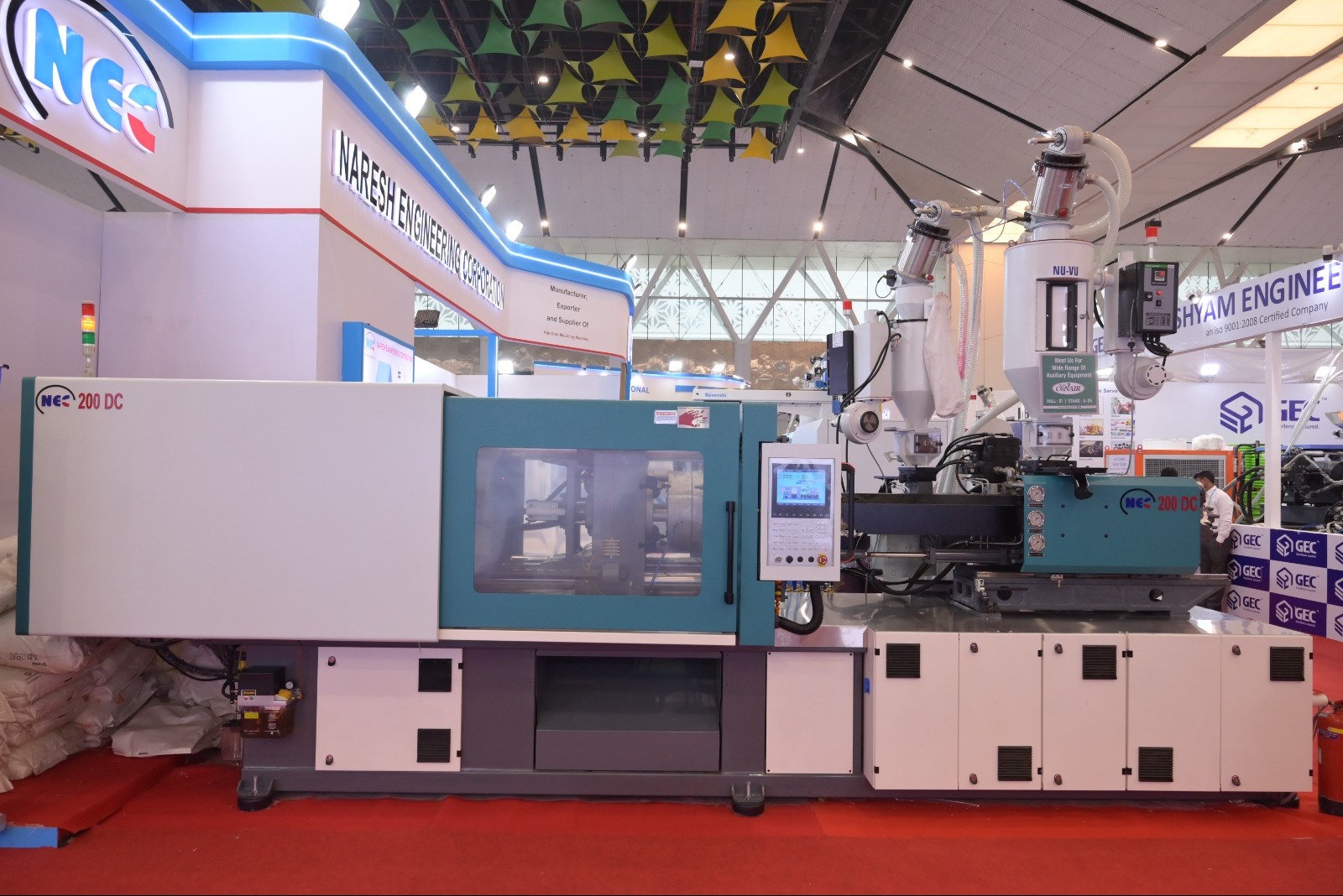
A plastic injection moulding machine melts plastic granules and injects the molten material into a precision-designed mould under controlled pressure. Once cooled and solidified, the finished component is ejected from the mould, ready for further processing or packaging.
The process involves several key stages:
- Plastic material feeding
- Heating and melting
- Injection into the mould
- Cooling and solidification
- Automatic ejection of the finished product
Modern machines automate these stages with precision controls, reducing human intervention while improving production consistency.
Factors to Consider Before Purchasing a Machine
Choosing a machine involves more than comparing prices. Businesses should evaluate technical specifications that align with their manufacturing goals.
Production Capacity
Estimate your daily and monthly production requirements before selecting machine tonnage. An undersized machine may reduce productivity, while an oversized machine can increase operating costs unnecessarily.
Clamping Force
The required clamping force depends on the size and complexity of the mould. Selecting the appropriate tonnage prevents defects such as flash and ensures stable mould operation.
Injection Accuracy
Products requiring fine detailing demand machines capable of maintaining consistent injection pressure and repeatable shot sizes.
Automation Features
Modern injection moulding machines often include programmable controllers, servo-driven hydraulic systems, and automated monitoring functions that improve production efficiency while reducing operator errors.
Energy Consumption
Energy-efficient machines lower electricity usage, making them suitable for businesses focused on reducing operational expenses over the long term.
Benefits of Investing in Advanced Injection Moulding Equipment
Modern plastic injection moulding technology offers several operational advantages compared to conventional equipment.
- Faster production cycles
- Consistent product dimensions
- Reduced material wastage
- Lower maintenance requirements
- Improved product finish
- Better process control
- Higher production output
These benefits contribute to improved profitability while maintaining quality standards expected by customers.
Industries That Depend on Plastic Injection Moulding
Injection moulding technology serves a wide range of manufacturing sectors.
Some common applications include:
- Automotive components
- Consumer goods
- Packaging products
- Electrical fittings
- Medical equipment
- Agricultural products
- Industrial components
- Toys and recreational products
Each industry requires machines capable of handling specific mould designs, production speeds, and engineering plastics.
Common Challenges During Production
Manufacturers sometimes experience quality issues because of incorrect machine selection or improper process settings.
Typical problems include:
- Short shots
- Flash formation
- Sink marks
- Warpage
- Uneven cooling
- Dimensional variations
Most of these issues can be minimized by selecting the correct machine specifications, using quality moulds, and maintaining proper processing parameters.
Importance of Machine Reliability
Downtime can significantly affect manufacturing schedules and customer commitments. Reliable machinery minimizes unexpected breakdowns while ensuring uninterrupted production.
Businesses should consider:
- Availability of spare parts
- Technical support
- Machine durability
- Ease of maintenance
- Operator-friendly controls
Working with experienced manufacturers also helps ensure long-term operational stability.
Why Experience Matters
Manufacturing businesses often benefit from suppliers that understand different production applications rather than offering a one-size-fits-all solution. Companies with years of experience can recommend machine configurations based on production volume, product type, and future expansion plans.
For manufacturers evaluating machinery options, Naresh Engineering Corporation has developed solutions for various industrial applications. Information about machine specifications, production capabilities, and available models can also be explored through injectionmouldingmachinery.co.in, helping businesses compare options before making an investment.
Choosing the right plastic injection molding machine is not simply about acquiring equipment—it is about building a production system that delivers efficiency, consistent quality, and long-term value. By carefully evaluating technical specifications, automation capabilities, and supplier expertise, manufacturers can improve productivity while meeting the growing demand for precision plastic products in competitive markets.